Source Mack Truck Torque Arm for Chassis, Steering, and Suspension
Find 30 verified options for mack truck torque arm suitable for chassis, steering, and suspension repairs. Buyers can compare specifications, materials, and pricing from multiple manufacturers to ensure the right fit for their fleet maintenance needs.
Key considerations
Products List


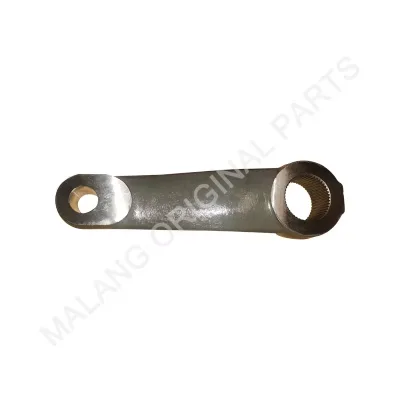


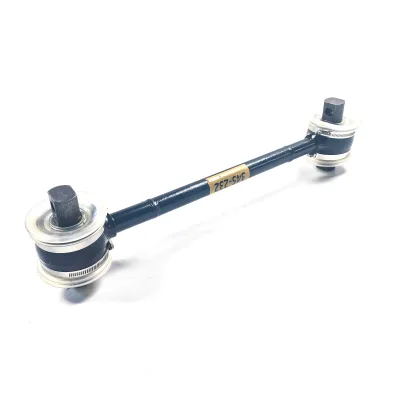
Comprehensive Sourcing Guide
Strategic Sourcing Guide for Mack Truck Torque Arm Components
Understanding Component Specifications and Technical Variability
When sourcing a torque arm for a Mack truck, buyers must navigate a complex landscape of technical specifications that vary significantly based on the specific chassis model and production year. The core component, often categorized under chassis parts or steering knuckles depending on the specific application, requires precise dimensional accuracy to ensure vehicle stability and safety. In the current market, observed specifications for similar heavy-duty chassis components indicate a wide range of standard lengths, including measurements such as 565mm, 568mm, 571mm, 575mm, 590mm, 596mm, and 621mm. These variations are not arbitrary; they correspond to the specific suspension geometry and load-bearing requirements of different truck configurations.
Material composition is another critical technical factor. The majority of high-quality torque arms and related chassis components are manufactured from steel, a material chosen for its durability and ability to withstand the high torsional stresses inherent in heavy-duty trucking. The structural integrity of the arm is often defined by the thickness of its hangers, which can range from 6mm to 10mm, or be customized to specific customer demands. This variability means that a generic "Mack truck torque arm" is insufficient for procurement; the buyer must verify the exact model number, such as those resembling standard component codes or specific OEM references like WG9925470045, to ensure compatibility. Furthermore, the physical dimensions of the component, including the balance arm pin size, can vary between 50mm, 60mm, 70mm, and 75mm, necessitating a thorough review of the vehicle's existing hardware before placing an order.
Compliance Standards and Certification Verification
Ensuring that a torque arm meets international and industry-specific standards is paramount for maintaining fleet safety and regulatory compliance. In the global supply chain, particularly for components originating from major manufacturing hubs in China, certification serves as a primary indicator of quality management systems. Buyers should look for suppliers who hold certifications such as ISO/TS16949, ISO9001, and ISO9002. These standards indicate that the manufacturer adheres to rigorous quality control processes essential for the automotive industry. The presence of these certifications suggests that the production facility has established protocols for consistency, traceability, and defect prevention.
However, certification status is not uniform across all listings. Some product data may indicate "ISO/TS OEM: No" or simply "ISO," which requires careful interpretation. Buyers must verify whether the "OEM: No" designation refers to the certification body or the part's original equipment manufacturer status. It is crucial to distinguish between a part that is an aftermarket replacement (OEM: No) and the quality standards it adheres to. A component labeled as an aftermarket part can still be manufactured to OEM standards, provided the supplier can demonstrate compliance with the relevant ISO certifications. Additionally, buyers should verify if the product meets specific regional standards, as the "Main Market" for these components often includes South America, North America, Eastern Europe, and Southeast Asia, each with its own regulatory nuances.
Cost Drivers and Pricing Dynamics
The pricing of a Mack truck torque arm is influenced by a multitude of factors, including material costs, manufacturing complexity, and logistical requirements. The observed price range in the current market for similar heavy-duty components spans from $0.39 to $350. This wide disparity is not indicative of quality alone but reflects differences in component size, material grade, and the level of customization required. Smaller, standard components may fall at the lower end of this spectrum, while larger, custom-fabricated arms with specific thickness requirements or specialized finishes will command higher prices.
Logistics and packaging also play a significant role in the final cost. Products are often shipped via freight by sea, especially for bulk orders, or packed on pallets and crates for protection during transit. The "prod_packing" attribute, which can range from common packing to custom requirements, directly impacts the shipping weight and volume, thereby influencing freight charges. Buyers should also consider the Minimum Order Quantity (MOQ), which ranges from 1 to 1000 units. Higher MOQs often result in better per-unit pricing, but they also increase the initial capital outlay and inventory holding costs. Conversely, low MOQs allow for smaller, more frequent orders but may carry a premium per unit. Understanding these cost drivers allows buyers to negotiate more effectively and align their procurement strategy with their budgetary constraints and inventory turnover goals.
Typical Applications and Compatibility Analysis
The torque arm is a critical component within the chassis system, specifically designed to control the position of the axle and manage the forces generated during acceleration and braking. In the context of Mack trucks, these components are essential for maintaining the alignment of the rear suspension. The application extends beyond just the truck itself; similar torque arm designs are utilized in semi-trailer parts and other heavy-duty chassis applications. The "Application" attribute often lists "Semi Trailer Part," indicating the versatility of these components across different vehicle types.
Compatibility is the most significant challenge in this category. The market lists various car makes, including Volvo and Benz, alongside specific truck models like Sitrak. This diversity highlights the need for buyers to cross-reference part numbers meticulously. For instance, a torque arm designed for a specific Volvo model may not fit a Mack truck, even if the dimensions appear similar. Buyers must verify the "Car Make" and "Car Model" attributes against their specific fleet inventory. The "OE Number" is a vital reference point; for example, a part number like 81432706076 or WG9925470045 serves as a unique identifier. When sourcing, buyers should prioritize parts that explicitly state compatibility with their specific truck model or provide a detailed cross-reference guide. The "Purpose" of the component is generally for replacement or repair, meaning the part must be an exact match to ensure the vehicle operates safely and efficiently.
Supplier Evaluation and Market Positioning
Evaluating potential suppliers requires a deep dive into their market positioning and operational capabilities. The market for heavy-duty truck parts is populated by manufacturers and wholesalers who operate under various brand names, such as Malangparts or Zhongbang. These entities often market themselves as direct manufacturers, which can offer advantages in terms of pricing and customization. However, buyers must verify these claims through due diligence. The "Marketing Type" attribute often lists "Manufacturer, wholesaler," suggesting a hybrid business model that can provide flexibility in order sizes and lead times.
Geographic origin is another key factor in supplier evaluation. The majority of these components originate from China, with specific regions like Anhui and Shandong being prominent manufacturing hubs. While these regions offer competitive pricing and high production capacity, buyers must assess the logistical implications of sourcing from these locations. The "prod_origin" attribute confirms that the products are manufactured in China, which necessitates a clear understanding of import regulations, shipping times, and potential tariffs. Furthermore, the "Main Market" data indicates that these suppliers serve a global audience, including North America and South America, suggesting that they have experience with international trade compliance. Buyers should look for suppliers who demonstrate a commitment to after-sales support, as indicated by the "After-Sales Service: Support" attribute, which is crucial for resolving any issues that may arise post-delivery.
Quality Control and Long-Term Procurement Considerations
Quality control is the backbone of a successful procurement strategy for heavy-duty truck components. Given the critical nature of the torque arm in vehicle safety, buyers must implement rigorous quality assurance protocols. The "Condition" of the parts is typically listed as "New," but this alone is insufficient. Buyers should request detailed inspection reports, including test results for material strength, dimensional accuracy, and surface finish. The "Warranty" period, often cited as 3 months for similar components, provides a baseline for expected performance, but buyers should negotiate longer warranty terms where possible to mitigate risk.
Long-term procurement considerations extend beyond the initial purchase. Buyers should evaluate the supplier's ability to provide consistent quality over time, especially when ordering large quantities. The "Customization" attribute indicates that suppliers can tailor products to specific needs, such as adjusting the thickness of hangers or modifying the balance arm pin size. This flexibility is valuable for fleets with unique requirements or aging vehicles that may need non-standard parts. Additionally, the "Prints" attribute suggests that suppliers can produce parts based on customer drawings, which is essential for maintaining older fleets where original parts may no longer be available.
To ensure long-term success, buyers should establish a robust relationship with their suppliers, focusing on communication, transparency, and mutual benefit. Regular audits, performance reviews, and clear contract terms will help maintain high standards and ensure a steady supply of reliable components. By prioritizing these factors, buyers can secure a supply chain that supports the operational efficiency and safety of their Mack truck fleet.
Comparative Analysis of Component Attributes
To facilitate a clearer understanding of the available options, the following table summarizes key attributes observed in the market for torque arms and related chassis components. This comparison highlights the variability in specifications, certifications, and packaging that buyers must consider.
| Attribute Category | Observed Values / Options | Relevance to Procurement |
|---|---|---|
| Material | Steel | Determines durability and load-bearing capacity. |
| Standard Lengths | 565mm, 568mm, 571mm, 575mm, 590mm, 596mm, 621mm | Critical for fitment and suspension geometry. |
| Hanger Thickness | 6mm, 7mm, 8mm, 10mm (or Custom) | Affects structural strength and customization needs. |
| Balance Arm Pin | 50mm, 60mm, 70mm, 75mm | Must match existing axle and suspension hardware. |
| Certifications | ISO/TS16949, ISO9001, ISO9002, or "ISO/TS OEM: No" | Indicates quality management system compliance. |
| Packaging | Pallets, Crates, Freight by Sea, Common Packing | Impacts shipping costs and product protection. |
| Origin | China (Anhui, Shandong) | Influences lead time, logistics, and import duties. |
| Warranty | 3 months (typical) | Sets baseline expectations for product reliability. |
| MOQ | 1 to 1000 units | Determines order flexibility and unit cost. |
| Price Range | $0.39 - $350 USD | Reflects size, material, and customization levels. |
This table serves as a quick reference for buyers to identify the specific parameters that align with their operational needs. By systematically evaluating these attributes, procurement teams can make informed decisions that balance cost, quality, and compatibility.
Final Procurement Recommendations
In conclusion, sourcing a torque arm for a Mack truck requires a meticulous approach that balances technical precision with strategic supplier management. Buyers must prioritize components that meet the specific dimensional and material requirements of their fleet, verified through rigorous certification checks and quality control measures. The wide range of available options, from standard steel arms to custom-fabricated solutions, offers flexibility but demands careful selection. By understanding the cost drivers, evaluating supplier capabilities, and maintaining a focus on long-term quality, buyers can secure a reliable supply chain that supports the safety and efficiency of their heavy-duty operations. The key to success lies in detailed specification verification, clear communication with suppliers, and a commitment to maintaining high standards throughout the procurement process.
FAQs
What materials are used for Mack truck torque arms?
Most torque arms are manufactured from steel to ensure durability and withstand high torsional stresses. This material choice supports the heavy-duty requirements of chassis components and suspension systems.
Which standard lengths are available for these components?
Standard lengths include 565mm, 568mm, 571mm, 575mm, 590mm, 596mm, and 621mm. These dimensions correspond to specific suspension geometries and load-bearing requirements for different truck configurations.
Can buyers find torque arms with ISO certifications?
Yes, some products carry ISO/TS16949, ISO9001, and ISO9002 certifications. These standards indicate adherence to rigorous quality management processes essential for automotive industry safety and consistency.
What is the typical price range for these parts?
The observed price range spans from 0.39 to 350 USD. This variation reflects differences in component size, material grade, and the level of customization required for specific fleet needs.
How can I verify the thickness of the hangers?
The thickness of hangers typically ranges from 6mm to 10mm. Buyers can also request custom thicknesses to meet specific customer demands or unique vehicle specifications.
Where are these torque arms manufactured?
Products originate from China, with specific hubs in Anhui and Shandong. These regions offer competitive pricing and high production capacity for heavy-duty truck components.
What customization options are available for buyers?
Customization is available for dimensions, hanger thickness, and balance arm pin sizes. Suppliers can also produce parts based on customer drawings or specific print requirements.